Aging gracefully is an inevitable journey for both men and women, yet it comes with its fair share of challenges. While aging symbolizes wisdom and life experience, the physical manifestations such as wrinkles and sagging skin are often less welcomed. Traditionally, invasive surgery was the primary method for addressing aging skin, which not only altered facial expressions and proportions dramatically but also demanded significant recovery time.
In recent years, the aesthetic industry has revolutionized alternatives to surgical interventions. Among these, dermal fillers have emerged as a popular solution for combating signs of aging. These minimally invasive treatments offer a more natural-looking enhancement compared to the tight, flattened appearance commonly associated with facelifts. When administered skillfully, dermal fillers can restore facial volume without the risk of lumps, granules, or disproportionate contours that may occur with less expertise.
The convenience of dermal fillers lies in their quick and straightforward application, often fitting into a lunch break, with minimal downtime. However, potential side effects such as bruising, swelling, pain, and occasional allergic reactions are essential to consider. The effects of dermal fillers are temporary, lasting anywhere from 6 to 18 months, depending on the type of filler used and the individual’s response.
Selecting a qualified physician is crucial for a successful outcome. Inquiring about the physician’s experience with specific fillers can provide reassurance; a history of performing the procedure over fifty times, for instance, might indicate proficiency.
Dermal fillers vary in composition, with options ranging from synthetic to natural materials. Initially, synthetic fillers like silicone and natural sources such as bovine collagen and fat were prevalent. Bovine collagen, the first dermal filler approved in the United States in the early 1980s, set the benchmark for effectiveness. Human collagen followed in the late 1990s, catering to different wrinkle depths.
Hyaluronic acid fillers, such as Restylane, Perlane, Juvederm, and Prevelle Silk, have gained popularity due to their low allergy rates and impressive results. These fillers, approved by the FDA for temporary wrinkle treatment, enhance skin hydration and collagen production for a smoother, fuller appearance.
Combining dermal fillers with other anti-aging treatments can yield comprehensive results. However, it’s advisable to allow sufficient time between treatments to ensure optimal outcomes.
In summary, dermal fillers represent a significant advancement in aesthetic medicine, offering a less invasive, versatile solution for age-related skin concerns. With careful selection of a skilled physician and consideration of the different filler options, individuals can achieve a rejuvenated appearance that reflects their inner vitality.
Uncategorized
Reveal Radiant Skin with NowMi Pulsed InfraRed Facial Treatment
Introduction: Achieving flawless and youthful-looking skin is a common aspiration for women. However, concerns such as uneven tone, fine lines, and signs of aging can significantly impact their confidence. Thankfully, the NowMi Pulsed InfraRed (PIR Pro) facial treatment provides an innovative solution to effectively address these issues. In this blog post, we will delve into the problem that the NowMi PIR treatment solves for women, discuss why it is crucial to tackle this problem, explore how NowMi works its magic, highlight the reasons why women should start using it now, and even include a compelling user testimonial.
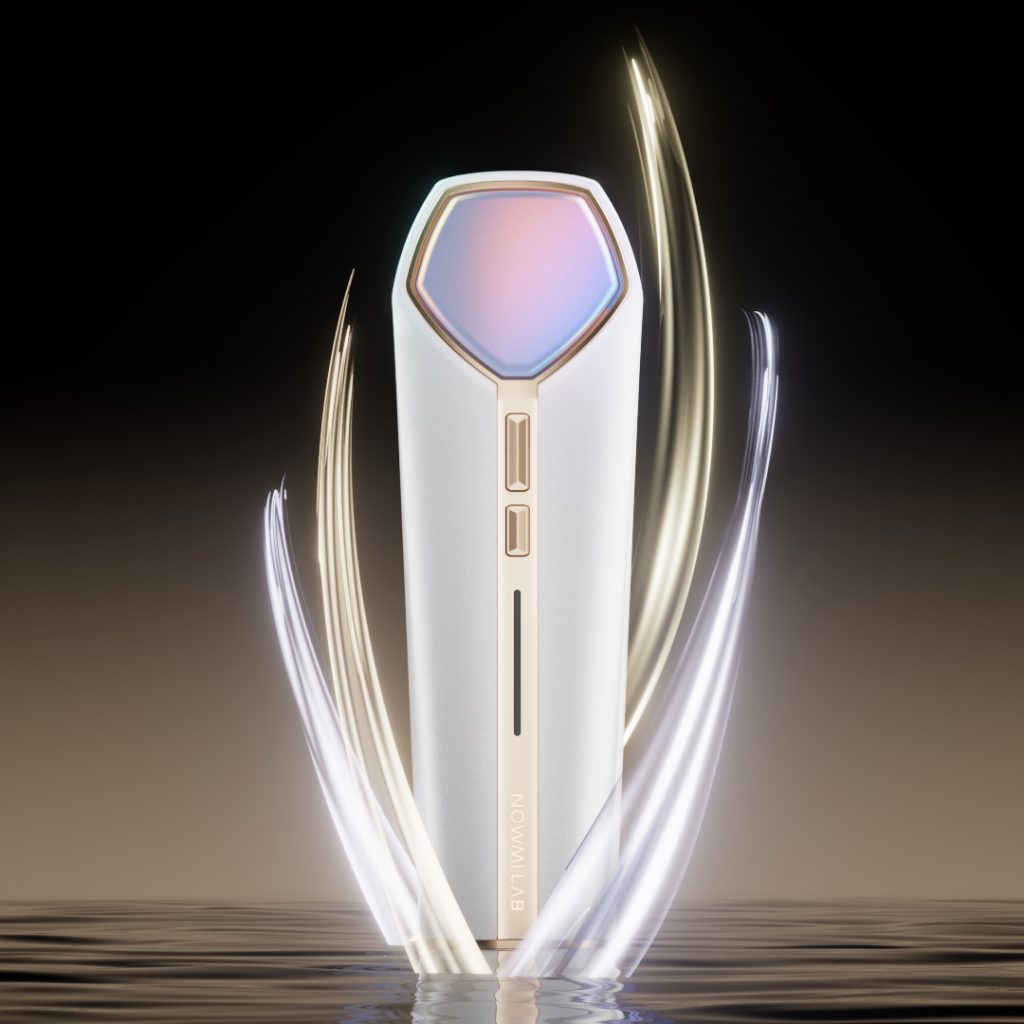
What Problem Does NowMi PIR Pro Treatment Solve for Women? Many women struggle with common skin issues such as uneven tone, fine lines, and signs of aging. These concerns often arise due to factors like sun exposure, pollution, stress, and the natural aging process. The NowMi PIR Pro treatment is specifically designed to target and alleviate these problems, offering women a comprehensive solution.
Why Is It Crucial to Solve This Problem? Women recognize that healthy and radiant skin is vital for their overall well-being and self-confidence. By addressing these prevalent skin concerns, the NowMi PIR treatment empowers women to take control of their skin health, enhancing their appearance and boosting their self-esteem.
How Does NowMi Solve the Problem? The NowMi PIR Pro treatment harnesses the power of pulsed infra-red (PIR Pro) technology, a groundbreaking skincare technique that rejuvenates and revitalizes the skin. The NowMi device emits gentle PIR waves that penetrate the skin’s surface, stimulating collagen production, improving blood circulation, and promoting cell renewal. These actions effectively reduce the appearance of fine lines, wrinkles, and pigmentation irregularities, resulting in a smoother, more youthful complexion.
Why Should Women Start Using NowMi Now? There are several compelling reasons why women should incorporate the NowMi PIR Pro facial treatment into their skincare routine immediately:
- Visible Results: NowMi delivers noticeable improvements in skin texture, tone, and elasticity. With regular use, women can experience a reduction in fine lines, diminished pigmentation, and an overall more youthful appearance. The rejuvenating effects become visible after just one treatment, making it an ideal choice for those seeking quick results.
- Convenience: NowMi is designed to seamlessly fit into busy lifestyles. The treatment can be performed at home, eliminating the need for salon visits or lengthy appointments. The compact and user-friendly NowMi PIR Pro device allows women to enjoy a spa-like experience in the comfort of their own homes.
- Anti-Aging Solution: NowMi PIR Pro technology stimulates collagen production, a key component in maintaining youthful skin. By promoting collagen synthesis and improving blood circulation, the treatment effectively combats the signs of aging, including fine lines and wrinkles. Starting the NowMi regimen early can help prevent premature aging, providing long-term benefits.
User Testimonial – Emily, 42: “Since incorporating the NowMi PIR Pro treatment into my skincare routine, I have witnessed a remarkable transformation in my skin. The fine lines around my eyes and mouth have visibly diminished, and my complexion looks smoother and more even. I appreciate the convenience of the at-home treatment and the fact that I can achieve professional-quality results on my own time. NowMi has become an indispensable part of my self-care routine!”
Conclusion: The NowMi Pulsed InfraRed facial treatment offers a powerful solution to common skin concerns, enabling women to achieve radiant and youthful-looking skin. By utilizing PIR Pro technology, NowMi effectively addresses signs of aging, uneven skin tone, and fine lines. With its visible results, convenience, and anti-aging benefits, NowMi empowers women to prioritize their skin health and embrace their natural beauty. Start using NowMi now and unlock a revitalized and radiant complexion.
Laser hair removal at home
Laser hair removal is a popular method for removing unwanted hair, and it has traditionally been performed in a salon or clinic setting by a trained professional. However, with the advancement of technology, it is now possible to perform laser hair removal at home using specialized at-home laser hair removal devices.
One of the advantages of at-home laser hair removal is that it is convenient and can be done on your own schedule. Instead of having to make an appointment at a salon and take time out of your busy day, you can simply use the device in the comfort of your own home. This can save you time and money, and can be especially helpful for those who live in rural areas or have difficulty accessing professional hair removal services.
At-home laser hair removal devices are also often more affordable than professional treatments. While professional laser hair removal can be costly, at-home devices can provide similar results at a fraction of the cost. This can make laser hair removal more accessible for those who may not have been able to afford professional treatments in the past.
However, it is important to note that at-home laser hair removal devices may not be as effective as professional treatments. Professional laser hair removal is performed by trained technicians who have years of experience and know how to use the devices properly to achieve the best results. At-home devices may not be as powerful or as precise, and may not be able to provide the same level of results.
Additionally, at-home laser hair removal devices may not be suitable for everyone. People with certain skin tones or hair colors may not be able to use at-home laser hair removal safely, and it is important to consult with a professional before using an at-home device.
There are several manufacturers of laser hair removal devices for home use, but some of the biggest and most well-known include:
- Tria Beauty: Tria Beauty is an American company that specializes in at-home laser hair removal devices. Their devices are FDA-cleared and clinically proven to remove hair.
- Silk’n: Silk’n is an international company that designs and manufactures a variety of at-home beauty devices, including laser hair removal devices. Their devices use a technology called HPL (Home Pulsed Light) to remove hair.
- Remington: Remington is a well-known American company that produces a range of personal care and grooming products, including laser hair removal devices for home use. Their devices are designed to be easy to use and effective in removing hair.
These are some of the biggest manufacturers of laser hair removal device for home, but more might be out there. It’s always important to read customer reviews and consult with a dermatologist before trying any at-home laser hair removal device to ensure that it is safe and effective for your individual needs.
Overall, at-home laser hair removal can be a convenient and affordable option for those who want to remove unwanted hair. However, it is important to carefully research the devices and consult with a professional before using them to ensure that they are safe and effective for your specific needs.
The 5 Best Steps To Prepare Your Skin For Summer
Now that summer is approaching, warm winds are in full swing. It’s time to say goodbye to your thick body butter and hello to SPF, scrubs, light moisturizers, and oxygen facial at home! The change in weather calls for a shift in eating habits, lifestyle, and skincare needs. Now is the perfect time to swap your skincare routine to ensure you have healthy and glowing skin all summer long.
With the countless products on the market and unlimited ways to make your skin look flawless throughout the year, how do you choose what’s best for the upcoming hot months? We have outlined the five best steps to prepare your skin for summer.
Let’s get the skin glowing!
Cleanse Your Way To Clear Skin
Warm weather differs from region to region. Some places have extreme heat, while others will have warm winds and slight humidity. However, what remains constant is the effect on your skin. Since summer calls for fun outside, and outdoor activities, your skin is exposed to more sun and is vulnerable to pollutants, sweat, dirt, and grease on your complexion.
This is why cleansing plays an integral and vital part in the skincare process. You should cleanse your skin every morning and night to purify it from all this build-up and effectively remove any makeup.
Exfoliate The Dead Skin Away
While cleansing is essential and is the initial step to preparing your skin for the summer, exfoliating plays a massive part in helping remove dead cells and producing polished and shiny-looking skin throughout the season. While you don’t have to do it every day like cleansing, exfoliating your skin once a week can help remove excess oil, sweat, grease, and other build-ups.
Exfoliation will help reveal fresh skin and prevent common blemishes of the summer. You will feel your complexion is clearer and more vibrant. Make sure you don’t overdo it as it can damage your skin, leaving it dry.
Toning Enhances The Above Two Steps
You’ll be doing your skin a favor if you include toning in your skincare routine. All the effects of cleansing and exfoliating will only be enhanced with a toner. It will ensure that all leftover impurities are removed from your face and help tighten your pores, giving your face a lively look.
Make Moisturizer Your Best Friend
An excellent but light moisturizer can combat dry, dull-looking, and lifeless skin. Regardless of whether you’re out in the sun or inside bonding with the air conditioning, your skin needs to be properly moisturized.
Introduce Facials As A Weekly At-Home Spa Treat
Good skin requires care and commitment. But let’s face it – not everyone has the time or money to get a facial every month. So a better way to incorporate facials into your skincare routine is to do them at home. One of the most talked-about and good facials is the oxygen facial at home.
So what is the oxygen facial?
The Oxygen Facial is a procedure to nourish your skin and increase collagen production, as well as detoxify your skin. Spas worldwide offer this facial and use a professional machine during the process. However, if you don’t have the time or money for a Spa treatment, you can still do your vitamin C oxygen facial at home with the NowMi Pro kit .
The NowMi vitamin C oxygen facial at-home treatment
The NowMi treatment enables you to enjoy all of the benefits of a spa-quality oxygen facial in the comfort of your home. Designed for today’s busy lifestyle, the treatment is simple to perform and takes only 5 minutes. Just like a professional spa, the treatment includes 4 skincare actions: exfoliation, nourishment, oxygenation, and protection.
- Exfoliation: During exfoliation, the outermost layer of the skin is removed. The exfoliation deeply cleanses the skin and clears away dead skin cells, dirt, and makeup. The exfoliation is performed using the NowMi effervescent tablet which has a coarse surface. The tablet is mixed with the NowMi gel and is massaged into the skin. Following exfoliation, the facial skin cells are best able to absorb nourishing vitamins and minerals.
- Nourishment: The skin is nourished with vitamin C, E, and Hyaluronic acid. Vitamin C plays an important role in the formation of collagen and helps the skin to repair itself. Vitamin E helps cells to regenerate and has anti-inflammatory properties. Hyaluronic acid moisturizes the skin and prevents dehydration.
- Oxygenation: Unlike professional spa treatments that infuse oxygen into the skin, the NowMi treatment oxygenates the skin from within! The way it works is that the NowMi treatment stimulates the production of millions of carbon-dioxide microbubbles on the skin’s surface. In response, the body sends oxygen-rich blood cells to the treatment area and oxygenates it from within. The process is completely natural and is based on a scientific principle called the Bohr effect (LINK).
- Protection: Vitamin C and vitamin E are potent antioxidants that protect the skin from damaging free radicals. Free radicals are “unstable atoms that can damage cells, causing illness and aging”. Free- radicals form as a result of sun exposure, pollution, cigarette smoke, etc. Vitamins C and E protect the skin and help combat free radicals.
Love The Skin You’re In!
Your skin is your best friend. Make sure you treat it right. Make the most of this summer by rejuvenating your skin’s appearance. These five best ways to prepare your skin for summer can easily be incorporated into your daily lifestyle. Also, make sure to have plenty of water and eat right.
NIR therapy for active skin rejuvenation
As the largest organ of the body, our skin is tasked with protecting everything underneath it. However, as powerful as the skin is, it’s also vulnerable to many elements that affect its appearance. Aging, environmental factors, genetics, nutrition, hormonal imbalance, smoking, stress, and physical health can all take their toll on our complexion. Over time, our skin loses volume and elasticity and begins to sag while fine lines and wrinkles start to appear.
Enter NIR Therapy – immediate results, long-term antiaging
Near-Infrared (NIR) energy is a safe, clinically proven, and non-invasive, light-based technology used in many aesthetic and anti-aging applications. What makes NIR therapy unique is, unlike many other light technologies, NIR uses long wavelengths that allow treatment to penetrate deep layers of the skin and treat the subcutaneous and muscle layers while leaving the top layer of the skin virtually unaffected.
As NIR therapy heats the tissue, the treatment causes collagen fibers to tighten and contract while simultaneously stimulating new collagen formation. In most cases, NIR produces noticeable results after the first treatment, and skin looks firmer and smoother almost immediately.
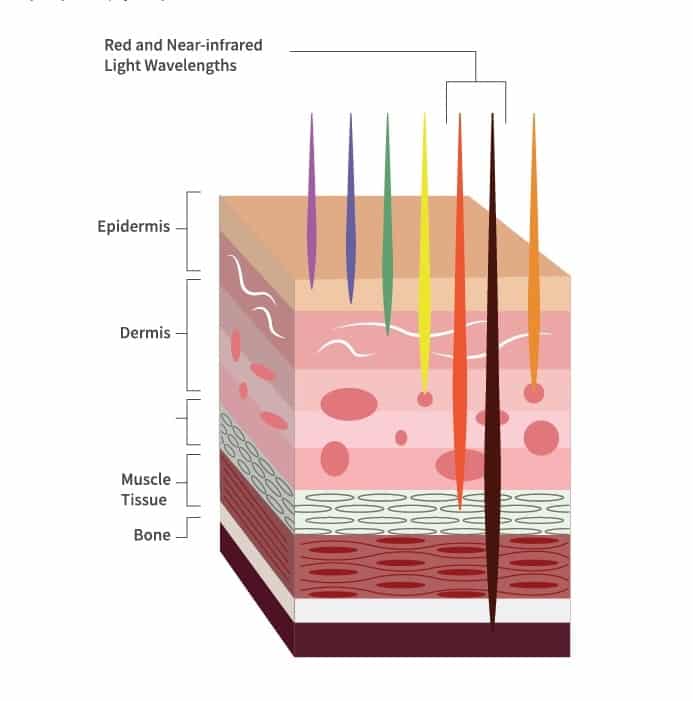
However, the distinctive benefit of NIR lies in the long-term effects of treatment. NIR works at a core level, harnessing the body’s natural processes to promote skin rejuvenation. NIR stimulates the fibroblasts in the connective tissues and provides ongoing stimulation of new collagen, giving structure to the skin and enabling a lasting firming and plumping effect well after treatment.
Benefits of NIR therapy
Non-invasive
Using a device that emits NIR light, this gentle treatment works from the outside to heat the deep layers of the skin’s tissue and promote the renewal of collagen fibers without requiring any surgery or injections.
Downtime – none to minimal
Often nicknamed a “lunch-time treatment,” NIR therapy is relatively quick and does not require any downtime. In most cases, you can go back to your daily routine shortly after. You might experience mild redness, but this usually subsides quickly. It is recommended that you avoid sun exposure, use sunscreen, and keep the treated area clean.
Effective for all skin types
NIR energy can be used on all skin types, and treatment is suitable for most people.
Treatment is virtually painless
Although NIR works using heat, the treatment warms the deep layers of the skin gradually. While your skin may feel warm, treatment is painless for most people, and many find the feeling similar to a hot stone massage.
Long-term skin rejuvenation
While NIR skin tightening helps reduce the visible signs of aging skin, what makes it extraordinary is it keeps working behind the scenes to boost collagen production for long periods after each treatment.
Better skin metabolism
NIR energy helps balance the skin’s metabolism so skin cells function better. Treatment can help increase waste release and boost the absorption of vital vitamins and minerals. The skin naturally gains a healthier and more youthful appearance.
Over our lifetime, our skin goes through many phases. Taking a proactive approach to skincare is key to enhancing the skin’s appearance and reducing the harmful effects of the elements that impact its tone and texture.
Treatments based on NIR therapy provide a safe and effective way to induce long-term elastin stimulation and improve the skin’s appearance over time. NIR therapy helps fight the signs of aging and equips your skin with the structure it needs to achieve ongoing tightening and firming and a fresh, radiant glow.
LED Light Therapy for Skin Whitening
LED (light emitting diodes) technology has been used in medicine for over 60 years. The technology is composed of a semiconductor light source that emits light when current flows through it. The technology is able to produce a broad range of lights that travel at different wavelengths. The most commonly used colors are purple, blue, green, yellow amber, red and infrared.
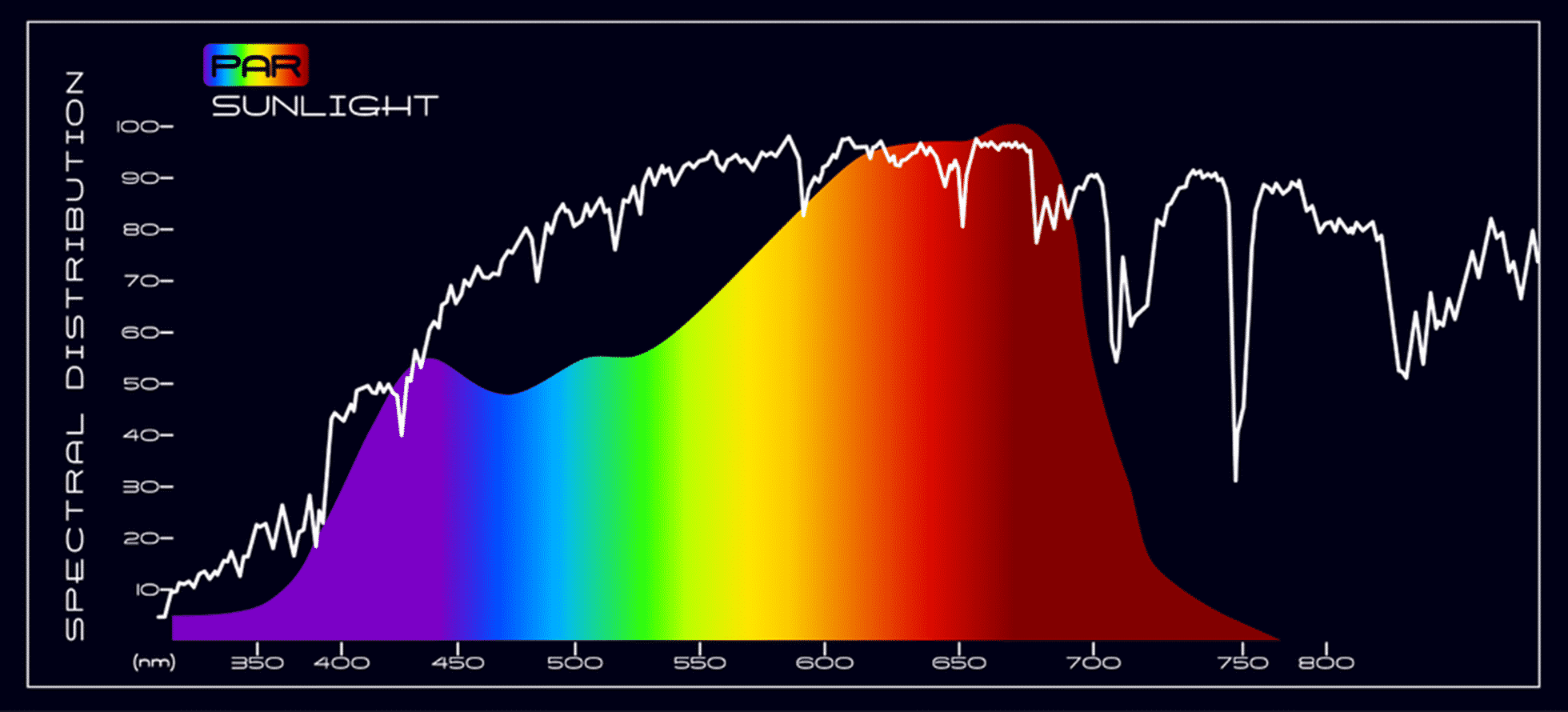
In the 1970s, NASA used LED light in a plant growth experiment and discovered that it could enhance cell growth. Scientists then began exploring the benefits of LED light for cosmetic applications. They found that it was able to rejuvenate the skin by providing the cells with the fuel it needs to function (known as mitochondria) and increase collagen production. Over the years the aesthetic benefits of each LED light have been explored and today they are used to treat a wide variety of conditions- from anti-aging to acne and skin whitening.
When it comes to skin whitening, the most effective LED therapy is green light. Green light emits energy in the range of 495-570 nm and has been shown to reduce hyperpigmentation and sun damage. Hyperpigmentation occurs when the body produces too much pigment. For example, when the skin is exposed to UV rays, the body produces excess amounts of pigmentation, also known as melanin, to absorb the UV rays and limit damage to other parts of the skin.
Green LED Light
The green light performs two actions simultaneously. First, it targets the melanocytes. Melanocytes are the cells in the skin responsible for producing pigment. They are located in the deepest layer of the epidermis and as seen in the table below, the pigment slowly travels upwards until it reaches the surface of the skin. The green light reaches the melanocytes and curbs the production of melanin. This in turn limits the amount of pigment that reaches the skin’s surface.
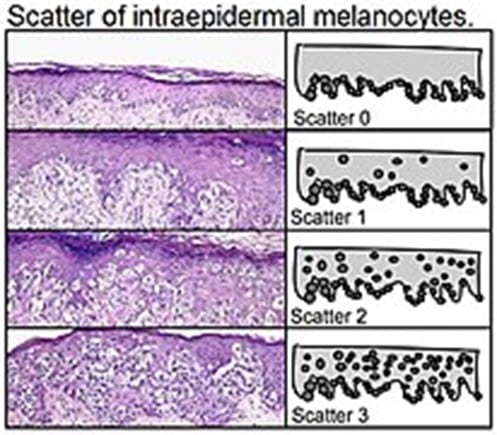

In parallel, the green light slowly breaks down pigmentation on the skin’s surface. In this way, it is able to clear away different dark spots such freckles, age spots, red and or brown skin patches. The dark spots scab and then naturally fall. As soon as they do, a whiter and brighter skin tone emerges.
Many people prefer LED light therapy over laser therapy since it is gentler. While the results are not as immediate as laser treatments, there skin does not undergo any thermal damage and therefore there is no downtime or risk of scarring. In professional spa settings the LED devices use higher energy levels, but there are also home use devices that enable effective LED skin treatments.
Skin lightening therapies have become an accepted aesthetic treatment in many parts of the world. According to a recent report by the World Health Organization report (WHO), half of the female population in Korea, Malaysia, and the Philippines uses some kind of skin lightening treatment. In India the percentage is even higher, around 60%, and in African countries, the percentage is the highest (in Nigeria for example it is 77%).
High Demand for Skin Lightning
The reason for the high demand in skin whitening has to do with a cultural perception that whiter skin is superior. In Asian countries it communicates a higher social status since upper class women did not have to work outside in the fields. Their skin was not subjected to the harsh sun rays, and they were able to preserve the natural paleness of their skin. Modern East Asian women are constantly bombarded with an array of messages to “get white.” Nearly all facial and body lotions sold in China and Taiwan contain chemicals that lighten the skin. These skin-whitening creams, known as 美白 (pin ying: mei bai), are popular cosmetic products used by “Culturally Chinese” women to achieve the socially constructed notion of beauty.
Stem Cells Treatments for Face
Stem cells are one of the new ways to treat many diseases like immune system disorders, and they are a step below organ donation and replacement. Stem cells can be used to treat and care for people with various skin conditions and blemishes. In this article, you can learn more about what this means and the costs of a facelift utilizing this medical technology.
What Is Stem Cells Therapy?
Stem cell treatment or therapy is a regenerative medicine method used to repair injured, diseased or dysfunctional tissues. It can be used to treat or prevent diseases because these cells contain important receptors that express growth factors. This type of treatment can be applied to many different organs, including the facial skin organ. When patients undergo this process to repair a damaged or injured internal organ, there is a possibility that surgery is needed. Sun-damage is a common challenge, as well.
What Are Stem Cells Treatment For The Face?
In this method of treatment, the facial area is rejuvenated. The method can be employed in medical treatments and for cosmetic purposes.
Benefits of Stem Cell Treatments
There are a lot of benefits of using stem cell treatment methods. Here are some of them:
• It is a healthier alternative to dermal filler as it is safe and does not contain artificial chemicals.
• Evens out the skin tone.
• It is anti-aging and can reduce wrinkles.
• Fights scarring, which may have a range of causes.
• It improves blood flow.
• Increases collagen production and can, therefore, make you look younger.
• Adipose-derived stem cells are deployed to fight numerous diseases. Adipose tissue is the connective tissue containing fat as an energy store.
• It can help with sun-damaged skin.
There may be other benefits of the different procedures, but the results may also vary according to the person and their existing conditions. A lot of research is still being done to find the best treatment methods for wound healing, sun-damaged skin, and other diseases and conditions. Over the years, the utilization of stem cells in the field of regenerative medicine has only increased.
Can Stem Cells Rejuvenate Skin?
Stem cells can stimulate the production of proteins across the body. Protein is a vital component in many connective structures such as the tendons, skin, and muscles. As a person ages, the body produces fewer skin proteins. When it is increased, either through supplements or stem cell therapy, the skin is strengthened. Therefore, stem cell technology can help to rejuvenate the skin.
How Much Does a Stem Cells Facial Cost?
The cost of the procedure varies depending on what damage or condition the patient is looking to address. If the areas to be treated are large, then the patient can expect to pay more. This treatment can be expensive, but the results can last for years, and the person can see a significant improvement. The price can range from below $5,000 to over $25,000, depending on various considerations. It’s important to talk to a health professional for a proper examination and an accurate price quotation.
How Long Does a Stem Cell Facelift Last?
The average facelift can last between 5- 10 years. Therefore, it is a long-term and effective method to deal with the effects of aging and any blemishes or sun-damage. The process itself only takes a couple of hours to complete and has a very high success rate.
Conclusion
Stem cell technology is emerging as a key player in treating the skin, improving its appearance, and fixing damaged caused by the sun. The technology work in various ways, depending on the intended application. A lot of new research has been done in the last few years on the impact of this method on human skin and organs, and today a lot of people with various health conditions and sun-damaged skin can utilize it without any surgery.
Recommended reading: Vitamin-c-oxygen-facials-all-you-need-to-know
NowMi Oxygen Treatment – Beauty, Health and Wellness in COVID-19
The COVID-19 pandemic has certainly thrown a wrench in our daily lives. Since its outbreak, we have had to make adjustments–both big and small–to keep ourselves and others safe. Whether you may have noticed it or not, the COVID-19 pandemic has also affected how we approach our facial treatments. It may not be entirely safe or even allowed to go to the local salon or spa. Therefore, COVID-19 has forced us to take self-care into our own hands.
Self-Care and Wellness
For most people, COVID-19 has led to an increase in stress and worry. However, instead of turning to salons and spas for some rest and relaxation, self-care must now be carried at home. There is also an increased focus on mental health at this time, and people are using the positivity of self-care and beauty wellness to better their mental state. The increased time at home has also led to more free time, and many are turning to improve their self-care routines. What once was a daily moisturizing routine may now be a full-on daily facial treatment to cope with boredom and worries about the future.
Tips for Your Facial Treatment Routine
If skincare and facial cleansing have become an everyday practice in your routine, then here are some tips for reducing early signs of aging like wrinkles and bags.
Moisturize and Use Sunscreen
If you regularly cleanse your face then you probably already know this tip. However, it is too important to skip. Experts recommend moisturizing your face in the morning and before you go to bed to improve the anti-aging effect.
The sun’s UV rays also have harmful effects on your face and accelerate the signs of aging. Wearing sunscreen helps to prevent wrinkles and a variety of blemishes. It is best to moisturize in the morning with a moisturizer that has SPF. Meanwhile, you should apply a separate cream in the evening, preferably one without SPF.
Add Some Vitamin C
Vitamin C has anti-aging qualities. It can prevent wrinkling and also boost your immune health. You can take a vitamin C supplement or eat foods like oranges, peppers, strawberries, or broccoli.
Stay Hydrated
Staying consistently hydrated can also prevent wrinkles from forming. Of course, drinking water is necessary to survive, but ensuring you have enough in your system is good for the skin on your face. There is no minimum amount to drink for hydration. Just drink water when you are thirsty throughout the day.
Add the NowMi Oxygen Facial Treatment to Your Routine
Since you cannot go to the spa, at-home treatments are all the rage. In particular, oxygen facial treatments are really popular and have been shown to rejuvenate the skin. The NowMi facial treatment kit contains anti-aging compounds like vitamin C, vitamin E and Hyaluronic Acid, that slow down the signs of aging and heal the skin.
How the NowMi Oxygen Facial Works
There are two NowMi kits- the NowMi Basic and NowMi Pro. Each one gives you a vital oxygen facial treatment in as little as 5 minutes. Both oxygen facial kits come with a lubricant gel, effervescent tablets, and directions for treatment.
NowMi Basic
The NowMi Basic, as you may guess, is the standard option between the two NowMi oxygen facial treatments. Vitamin C, Vitamin E, Hyaluronic Acid, and anti-inflammatory elements are all included in the treatment.
This NowMi treatment works by combining the effervescent tablet and the lubricant gel. The tablet contains vitamin C which exfoliates the facial skin and the lubricant gel has Hyaluronic Acid and Vitamin E. Together, the tablet and the lubricant gel create a CO2 effect that enables the skin to oxygenate itself from within.
NowMi Pro
The NowMi Pro kit comes with many of the same beneficial properties as the NowMi Basic. However, you get a NowMi Pro kit device that helps nourish the skin and enrich the treatment. There are four main steps in this oxygen facial treatment–sonic exfoliation, nourishment, oxygenation, and protection.
First, the NowMi Pro kit device uses sonic pulses to ensure the lubricant gel cleanses the skin and pores of your face. This process also ensures that the vitamins and minerals get infused into the skin.
During treatment, a C02 rich enviornoment is created on the surface of the skin. This effect is amplified with the sonic energy. As a result of the C02 effect, a natural facial oxygenation process occurs. With the NowMi Pro, you can enjoy a hydrating, nourishing anti-aging treatment in as little as 5 minutes.
With the power of Vitamin C, oxygen, and a facial device, you can conduct your own spa-like oxygen facial treatment for your skin at home–daily or weekly.
The Bottom Line
All in all, the COVID-19 pandemic has certainly changed our daily lives and protecting our skin is essential. Keep your standards high when looking for the right products, and this will enable you to enjoy a perfect skincare routine that protects your skin for years to come.
NowMi Pro is now on sale with Special Offer: Buy now a NowMi Pro Kit from the inventor of OxyGeneo and receive Free of Charge a NowMi refill kit (valued at $99) that will give you 3 extra months vitamin C oxygen facial treatments at home.
Laser Hair Removal in Wintertime
Summer is usually the time for shorts, skirts, and strappy sundresses that bare more skin than in the winter months. Regardless of the season however, unwanted hair may become a regular annoyance that you must deal with. Laser hair removal is a solution that many people prefer over shaving, waxing, and plucking. As with any other treatment, you need to plan your treatment sessions, and winter is by far the best time to begin laser hair removal treatments.
Why Winter Is the Perfect Time for Laser Hair Removal?
More Time to Plan
The winter season, including the late fall, is the ideal time to rid your skin of unwanted hair. Since there are usually so many hair follicles to treat, the laser treatment may last for months until it gets rid of all of the dark hair.
There are three stages in the growth process of hair follicles. Laser hair removal works only when the follicles are in the active phase. As a result, you may have to undergo multiple hair removal treatments to get rid of every hair in the treatment area.
Typically, people who undergo laser hair removal need to have three to six laser treatments or laser hair removal sessions, and they usually must be a few weeks apart. This ensures that all the follicles are removed safely and properly.
Since there is some time required to plan, the period between the late fall and early winter months is ideal for laser treatments.
Less Sun Exposure
Hair removal works best when your skin isn’t exposed to the sun. It can be dangerous to undergo treatment with tanned skin because the darker tone causes the laser to have trouble setting its configurations to your hair follicles. Ultimately, this can damage your skin.
Before undergoing laser treatment, you should always limit your sun exposure and during the treatment, you need to protect your skin from the sun. For many people, this is easier to do in the winter than in the summer because they are less in the sun.
Best Time Before Warm Weather
Besides having time to plan and limiting skin-to-sun contact, you might also enjoy completing the hair removal treatment in the winter because it aligns perfectly with summer. This is usually the period of the year when you want to be smooth and hair-free. Getting all your hair removal completed before then is ideal so you don’t have to worry when showing skin actually matters.
How to Schedule Laser Hair Removal Treatment
Your skin is an important element of your body, and it needs to be protected and cared for. By picking the right laser hair removal service and treatment, you are looking for someone you can trust. Check who has years of experience caring for others’ skin and their unwanted hair. Ask for references you can trust, and make sure the treatment you choose is safe and as comfortable as possible.
Perfect Skincare for Protecting Oily Skin in Winter
When winter rolls around, people with skin that is prone to dryness often get in a frenzy. Tips and tricks pop up all over the Internet to appease their struggles. However, a lot of people forget that those with oily skin also experience troubles in the winter months.
No matter what your skin type is, winter is always a struggle. The days are over when all you had to worry about was completing your daily cleansing and sunscreen application. Now, the temperatures have flipped, and so has your perfect skincare routine.
Everyone’s skin is different, and while you may want a step-by-step guide to perfect skin protection in the winter, there is no guarantee that it will work for you. Thus, use the information in this blog to build your perfect skincare routine and protect your oil-prone skin in the winter.
Why Winter Weather Is Damaging
With the sun making fewer appearances and the winds picking up speed, dry air gets swirled around, affecting your skin. Even if you have oily facial skin or combination skin and think you don’t have much to fear, you are mistaken. In the winter, the temperatures drop, the wind becomes more violent, and there is almost no humidity to hydrate your dry skin–all this is a recipe for skin damage.
Escaping the dry winter weather outside people spend most of their time indoors, where the air is likely to be even drier. The combination of dry air, both indoors and outdoors, is not good for your skin’s health. Without proper care in these drier times, even oily skin, can become:
• Uncomfortable
• Dry
• Tight
• Flaky
• Sensitive
• Prone to breakouts
Remember: all skin is created differently, so you may not have dry skin in the winter season. Instead, your skin may produce more oil to compensate for all the dry air. No matter what you feel in the wintertime, you cannot keep your skin fresh and healthy without proper care.
Causes of Oily Skin
Oily skin appears when the Sebaceous glands produce too much sebum, which is the oily substance that protects your skin and keeps it hydrated. When the glands on your face produce too much sebum, you may experience oily skin as well as clogged pores and breakouts.
There are several reasons your skin is producing too much sebum and causing the oil to build up. Some possible explanations include age, genetics, where you live, enlarged pores, using skincare products incorrectly, and not using a moisturizer.
When the temperatures drop, and the humidity escapes from the natural air, your face can also overcompensate for the lack of hydration. As a result, oily skin protection becomes an issue in the winter. It is important to make a protection plan to keep the skin hydrated.
What to Avoid
If you have skin prone to excreting excess oil, especially on your face, creating a proper cleaning routine is critical. Though you may think that all products are contenders to be used on your skin, you actually need to avoid certain products given the nature of your skin.
Experts say that if you know your skin is prone to oil production, you should avoid oil-based products. Make sure you review the ingredients before making a purchase. Additionally, if you use a product that feels greasy or that clogs your pores, toss it! Maintaining moisture in the skin is important, but too much is damaging.
You should also avoid products that include drying substances like eucalyptus, menthol, witch hazel, and denatured alcohol. Although you may think these are ingredients that your face wants to balance out the oil, they can actually be counterproductive and dry out certain areas in your skin.
How to Prepare Your Skincare for Winter
The harsh temperature change means that your routine cannot stay the same as it was in the summer. An emphasis on moisture, toner, and lightweight products can make a difference. However, it is crucial to know that all skin types are different. Therefore, you should find products that work for you and a routine that keeps your skin healthy over time.
The cold weather is your skin’s worst enemy when it comes to battling dehydration. To keep your skin from becoming too dry, focusing on layering can mean the difference between too much hydration and too little.
Layering means applying light products one-by-one that help your skin. Skipping the little things and going for the thicker all-in-one serum can do more harm than good. So, you should look for products that are free from unnecessary ingredients and have one particular function.
Building the Perfect Skincare Routine
When it comes to building the perfect skincare process for your face, you should always do what works. Oily skin is different for everyone and reacts in a unique manner. Therefore, just because an expert says you need to apply certain creams or liquids does not mean you need to continue doing it if it doesn’t work.
For your combination to oily skin, there are specific elements you should consider adding to your caring process:
• Wash your face with unscented soap and water
• Apply a serum that contains vitamin C
• Apply a moisturizer
• Never underestimate the value of sunscreen
The best thing you can do for your skin, no matter your skin type or oil combination, is to wash it with soap and water. Without this step, there is no reason to maintain a healthy skincare process. The best type of soap to apply is unscented soap that is free of damaging acid. You may also want to apply a cream. It does not matter if you choose soap or cream, as long as it is free of harmful chemicals like acid.
To appease your pores and greasy areas, applying a vitamin C-based serum is extremely helpful. Even in the cold months, Vitamin C is one of the best types of natural ingredients that eliminate oily and greasy skin.
The cold also brings drier weather, meaning that you need a product that can repair skin that gets too dry. A moisturizing product is your best friend. There are many types of moisturizing brands, so find whichever one you like best.
Finally, though the sun does not come out as much as it did, applying sunscreen is critical. If you travel to areas that don’t see much sunlight, you should still wear a sun protectant, as it can prevent all types of skin-damaging effects.
Bonus: drinking green tea can help in minimizing the amount of oil your skin produces.
The Bottom Line
All in all, if you have a combination or oily skin, then protecting your skin in the colder months is essential. Keep your standards high when looking for the right products, and you can be sure to have a perfect skincare process that protects your skin for winters to come.